
Blog
Technical standards in residential irrigation design
28 April 2026
Effective residential irrigation design starts with correct sprinkler positioning and the use of clear technical parameters. By following precise performance standards, it is possible to achieve uniform water distribution, optimise consumption and ensure consistent performance over time.
For installers and designers, understanding parameters such as rainfall rate, distribution uniformity and the management of losses caused by wind is essential for developing an efficient and professional garden irrigation system layout.
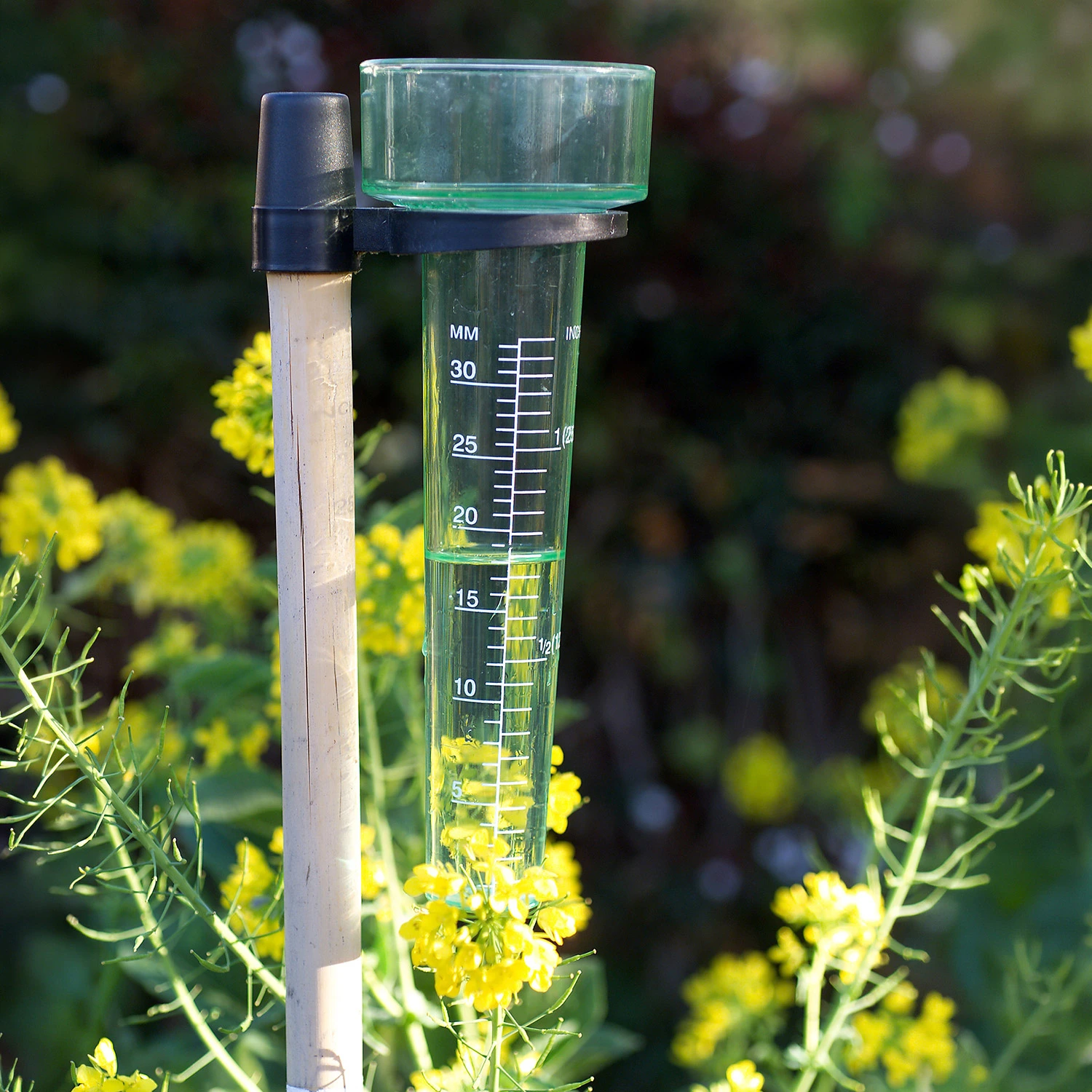
Rainfall rate: how much water the irrigation system delivers
The rainfall rate indicates the amount of water distributed by sprinklers in one hour and is expressed in millimetres per hour (mm/h). This value makes it possible to understand how quickly an area receives water and to correctly set irrigation times.
In residential irrigation design, it is important that sprinklers within the same zone have a similar rainfall rate, in order to maintain uniform distribution. Excessively large differences easily lead to over‑irrigated areas and others that are under‑watered.
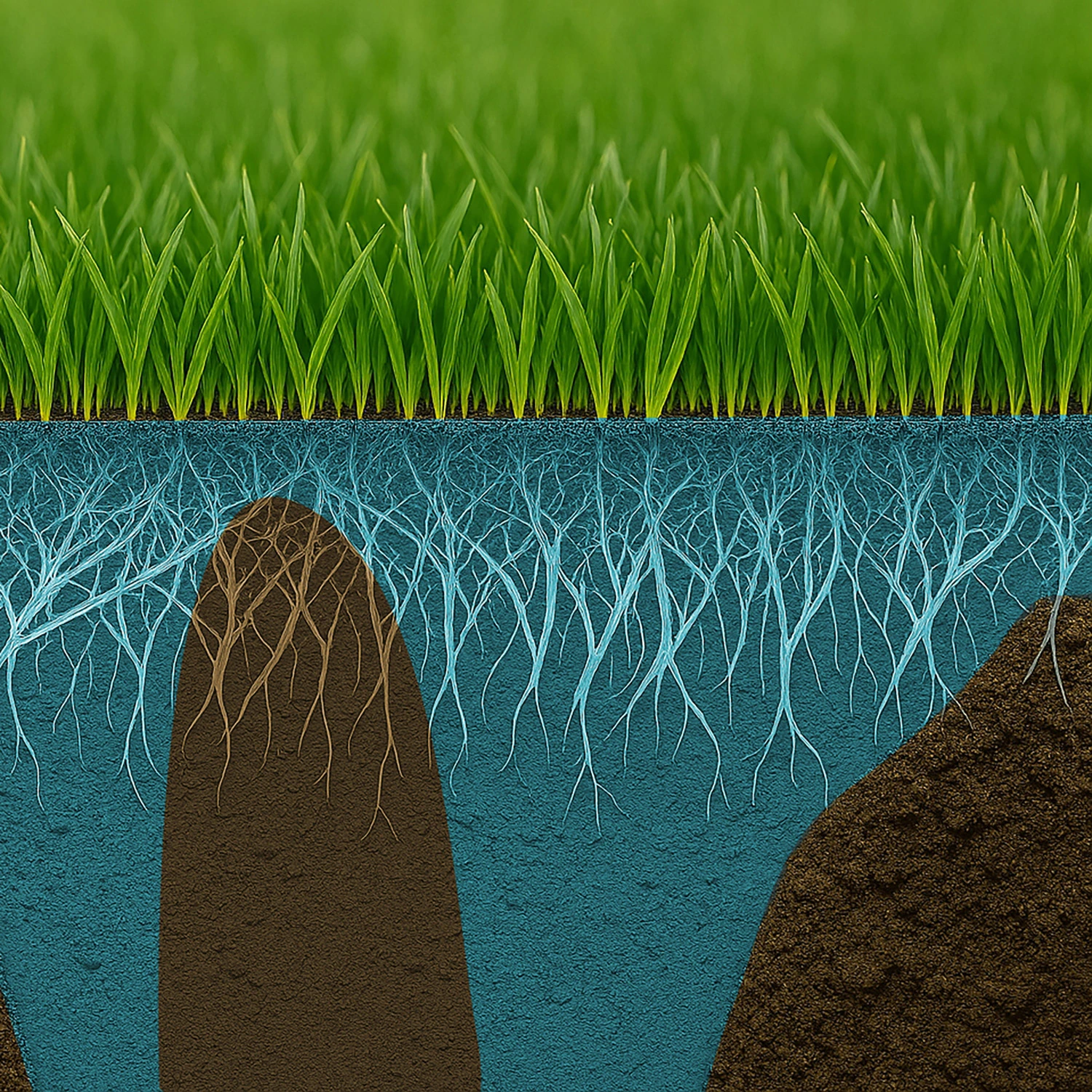
Distribution uniformity: the DU parameter
Another key indicator is distribution uniformity (DU – Distribution Uniformity). This parameter measures how evenly water is distributed across the irrigated area.
In residential gardens, a DU value of at least 0.65 is generally considered acceptable, while more accurate projects aim for values between 0.70 and 0.75. Achieving these results depends mainly on:
- correct sprinkler positioning
- spray overlap (head-to-head coverage)
- stable pressure within the zone
When these factors are designed correctly, the garden irrigation system layout ensures uniform coverage and reduced wastage.
How to manage losses caused by wind during irrigation
Wind is one of the main factors influencing irrigation efficiency. Even light breezes can deflect water droplets and reduce distribution accuracy.
During the design phase, it is therefore advisable to adopt certain technical solutions that improve spray stability: nozzles that produce heavier droplets are less sensitive to air currents, while sprinklers with a lower trajectory keep the flow closer to the ground.
Dividing the garden into smaller zones also helps to better control pressure and flow rate, increasing irrigation precision. Finally, scheduling cycles in the evening or at night promotes more stable climatic conditions and helps to maintain more uniform water distribution.
Irrigation performance standards for different areas of the garden
Each green area has different water requirements. During residential irrigation design, it is therefore advisable to define specific parameters for each zone.
Garden area | Recommended rainfall rate | Minimum uniformity (DU) | Irrigazione type |
Lawn | 30–40 mm/h | ≥ 0,65 | |
Hedges | 20–30 mm/h | ≥ 0,60 | |
Flower beds | 15–25 mm/h | ≥ 0,60 | Drip lines or micro-spray |
Adapting these parameters to the characteristics of the garden makes it possible to achieve a system that is more efficient, sustainable and easy to manage over time.
Designing irrigation systems with clear technical criteria
Good residential irrigation design is based on the balance between components, available pressure and correct water distribution. Applying clear performance standards allows installers to create reliable systems and offer customers consistently green gardens with optimised consumption.
Do you want to design more efficient systems? Discover RAIN’s professional solutions to build every irrigation system with precision and simplicity.
Discover the latest innovations
in irrigation systems!