Blog
Summer irrigation: new scenarios for professional urban greenery
15 June 2026
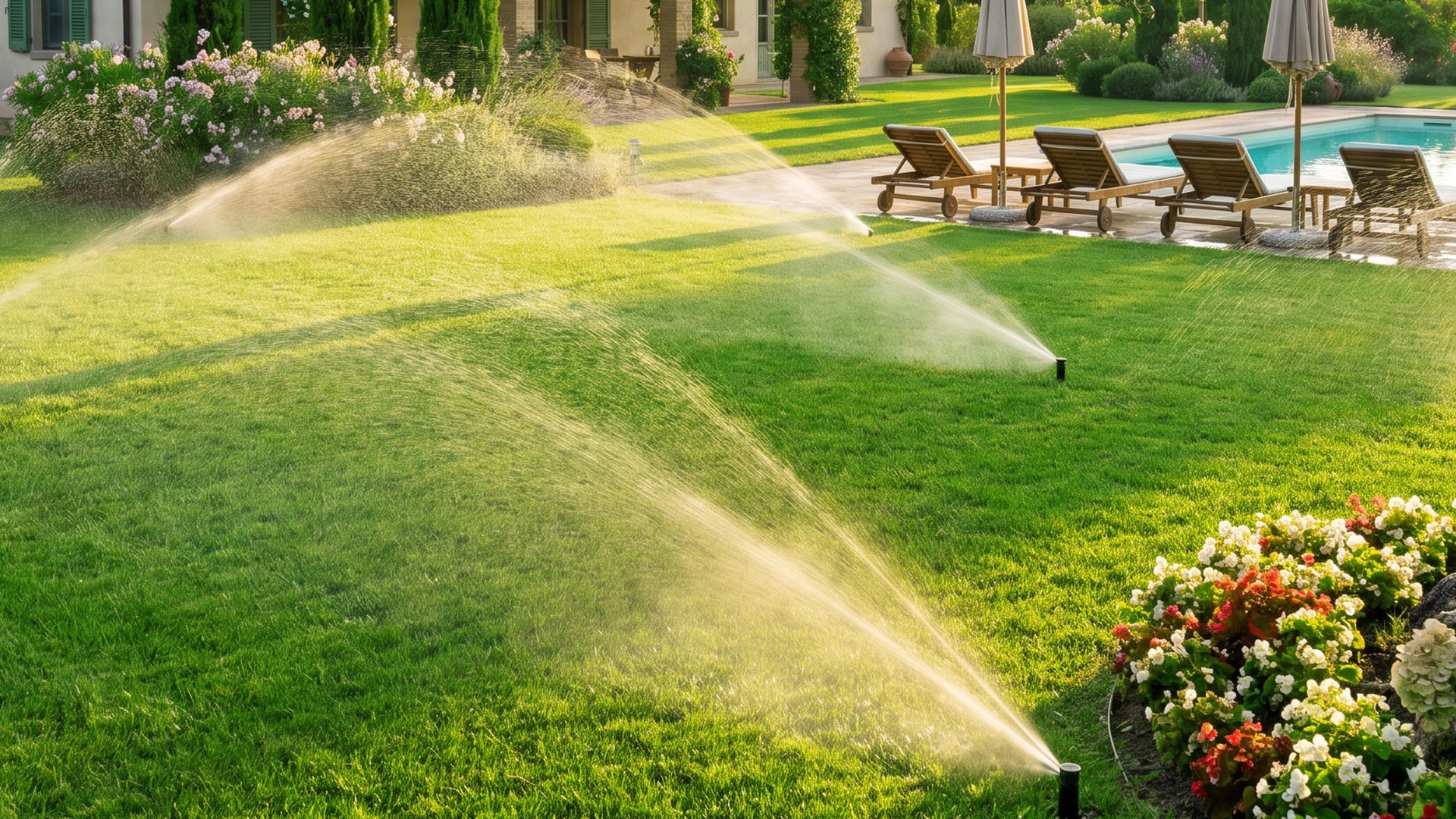
Summer places increasing pressure on irrigation systems. Heatwaves, heavy rainfall, and flash floods require prompt intervention and precise technical management.
For professionals working in landscape maintenance, irrigating in summer means managing systems under stress, responding to flooding or extreme drought, and restoring the correct water balance in green areas without compromising plant health.
How to intervene after floods and heavy storms in the irrigation system
After a flood, the first step is to inspect the irrigation system. Mud, debris, and organic residue can damage sprinklers, solenoid valves, and filters.
A correct remediation procedure includes:
- clearing the lines
- flushing the filters
- bleeding the sprinklers
- checking the water pressure
- inspecting the controller
In coastal areas, salt residue requires more frequent flushing to prevent build-up that can damage components and vegetation.
It is also worth inspecting the nozzles: after heavy rainfall or mud flows, water distribution can become uneven, creating dry patches or waterlogged zones.
Summer irrigation after extreme drought
After weeks of intense heat, the soil loses its structure and absorption capacity. At this stage, immediately increasing irrigation volumes can cause root stress and waterlogging.
The most effective strategy for summer irrigation calls for a gradual approach, with short, frequent cycles. The aim is to slowly restore soil moisture and reactivate the physiological activity of plants.
For ornamental lawns and urban green spaces, scheduling must be adapted to actual climatic conditions and the soil’s drainage capacity.
In the initial recovery phase, irrigating during the cooler hours of the day helps to improve absorption and reduce evaporation. Checking the condition of the soil also helps to prevent compaction and improve irrigation effectiveness.
Sensors and automation in irrigation: greater control during critical periods
When managing summer irrigation, automation and monitoring help to reduce waste and imbalances.
Advanced controllers and rain sensors make it possible to quickly adjust irrigation schedules following extreme weather events.
Moisture sensors and connected devices that integrate weather forecasts also help to distribute water only when truly needed, keeping the water balance of green areas more stable even during the hottest weeks.
For landscape professionals, having a flexible system means intervening with greater precision and maintaining operational continuity even during the most critical weeks.
Designing efficient systems for summer irrigation
Extreme weather events are now part of the routine management of urban greenery. For this reason, designing efficient and easy-to-manage systems is becoming increasingly important.
Professional irrigation solutions, such as those developed by RAIN, help greenery maintenance teams and designers to manage water more precisely, sustainably, and responsively throughout the summer season.
Discover the latest innovations
in irrigation systems!