Blog
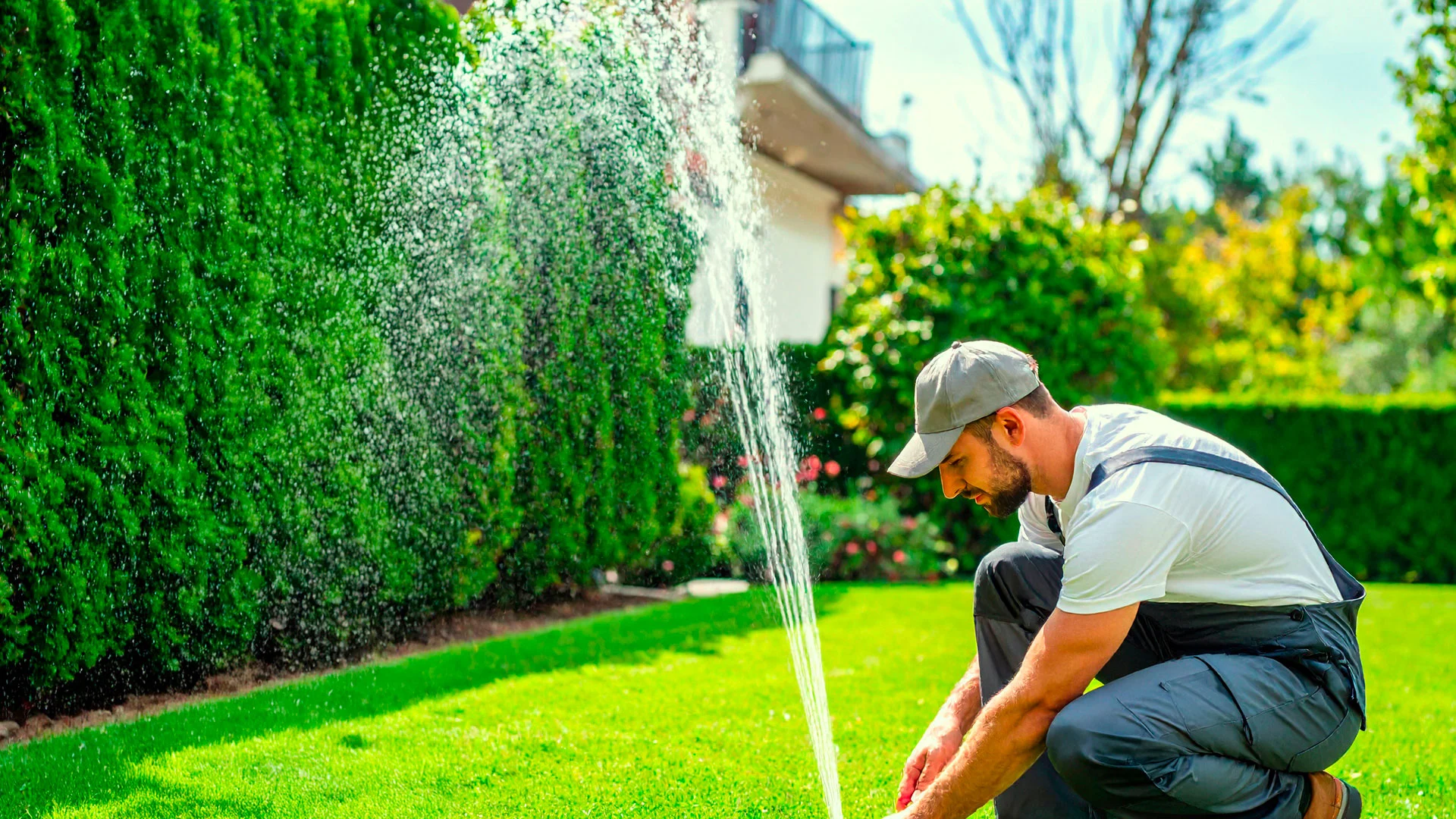
How to adjust sprinklers in residential gardens?
23 October 2025
Water distribution in residential gardens is essential to keep plants healthy and minimise waste. Proper sprinkler adjustment ensures even coverage, avoiding dry patches or water pooling.
This article provides guidance on how to adjust sprinklers, with practical tips for landscaping professionals. If you’d like to explore the differences between fixed, rotary, and low-consumption sprinklers, you can read our dedicated article.
Preparation before adjusting sprinklers
Before you begin adjusting your sprinklers, make sure the system is functioning properly: check for pipe leaks, clogged nozzles, or faulty valves. A preliminary inspection ensures that every adjustment is effective and that water is distributed evenly.
Spray positioning and overlap
When adjusting fixed sprinklers, ensure the sprays slightly overlap to avoid dry spots. For rotary sprinklers, check that the sweep covers the entire target area without obstructions, and that the radius matches the lawn’s dimensions. Proper overlap is essential to ensure uniformity, reduce waste, and prevent waterlogging.
Irrigation timing and frequency
Set irrigation times based on plant needs and soil conditions. Sandy soils require more frequent watering, while clay soils retain moisture longer. Regularly assess irrigation effectiveness by observing lawn growth and colour, and adjust timing and frequency accordingly.
Sprinkler maintenance
Maintenance is a crucial step: clean nozzles regularly, check that rotating mechanisms are working properly, and monitor system pressure. Small routine tasks—such as removing debris from filters and checking automatic controllers—ensure even water distribution and extend the system’s lifespan.
By following these steps, adjusting your sprinklers becomes simple and effective, helping you maintain a well-irrigated, healthy, and sustainable garden.
On our website, you’ll find solutions for every type of sprinkler. Contact us for more information and to discover which option best suits your garden.
Discover the latest innovations
in irrigation systems!