Blog
How to Solve the Most Common Irrigation Problems
22 January 2026
Tackling irrigation problems requires attention, experience and a good dose of intuition. Even the most reliable irrigation systems can develop faults over time. The most frequent issues often follow recurring patterns: leaks, pressure drops, unresponsive solenoid valves and blockages in the lines.
With a targeted check, you can quickly identify the source of the fault and take action without wasting time or resources.
Leaks in the Irrigation System: Small Cracks, Big Waste
Leaks are among the most common faults and often result from imperfect joints, ground movement or component wear. They don’t always appear immediately: unusual noises, minor seepage, depressions or constantly damp areas can indicate a critical point along the line.
Once you’ve located the suspected area, check fittings, pipes and sprinklers to determine whether it’s due to ground settling, a damaged component or simply a joint that has lost its seal. A simple pressure test will quickly confirm whether the system is holding without other weak points.
Irrigation Pressure: When the System Loses Power
Incorrect water pressure in an irrigation system can cause coverage problems, especially in larger installations. To identify the cause, it’s useful to:
- check valves and pressure regulators;
- ensure some zones aren’t overloaded;
- measure the inlet pressure and compare it with the design specifications.
Stuck Solenoid Valves: The Classic Time-Waster
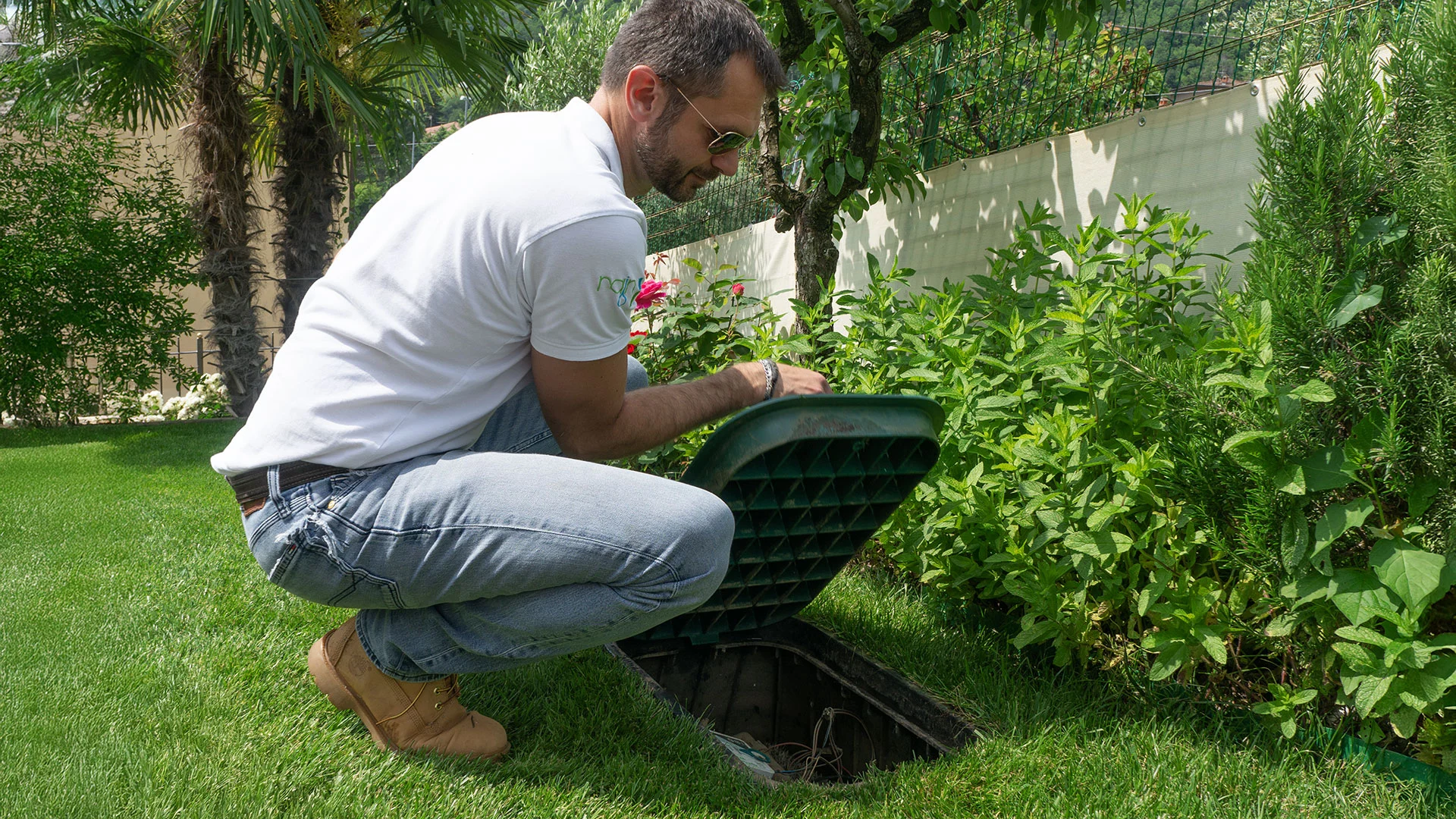
A zone failing to start is often caused by an electrical or mechanical issue with the solenoid valve. To pinpoint the problem, start by checking the correct voltage supply, inspect the solenoid condition and make sure the internal diaphragm isn’t blocked by debris.
If something isn’t working as it should, clean the valve body thoroughly, check electrical connections and, if necessary, replace the solenoid or diaphragm. In very sandy soils, it’s also worth checking that sand isn’t entering the valve, as this could restrict movement.
Blockages in Irrigation Pipes: When Something Gets Stuck
Sand, limescale and organic debris can reduce flow and compromise the entire network. To fix the issue, start with the simplest steps: clean the filters, flush the lines and replace worn nozzles. A pressure flush can help clear the most stubborn blockages.
To prevent frequent blockages, it’s good practice to install filters suited to the quality of the water used.
Good Habits to Prevent Recurring Irrigation Problems
Preventive maintenance is your best ally for reducing unexpected issues. Checking filters and valves at the start and end of the season, monitoring pressure regularly and replacing worn components in high-stress areas will keep the system running efficiently.
Staying on top of irrigation problems allows for quick intervention, reduces waste and ensures smoother management throughout the season.
Discover the latest innovations
in irrigation systems!